What an NCAA Investigation Taught Me About Power, Preparation and Survival
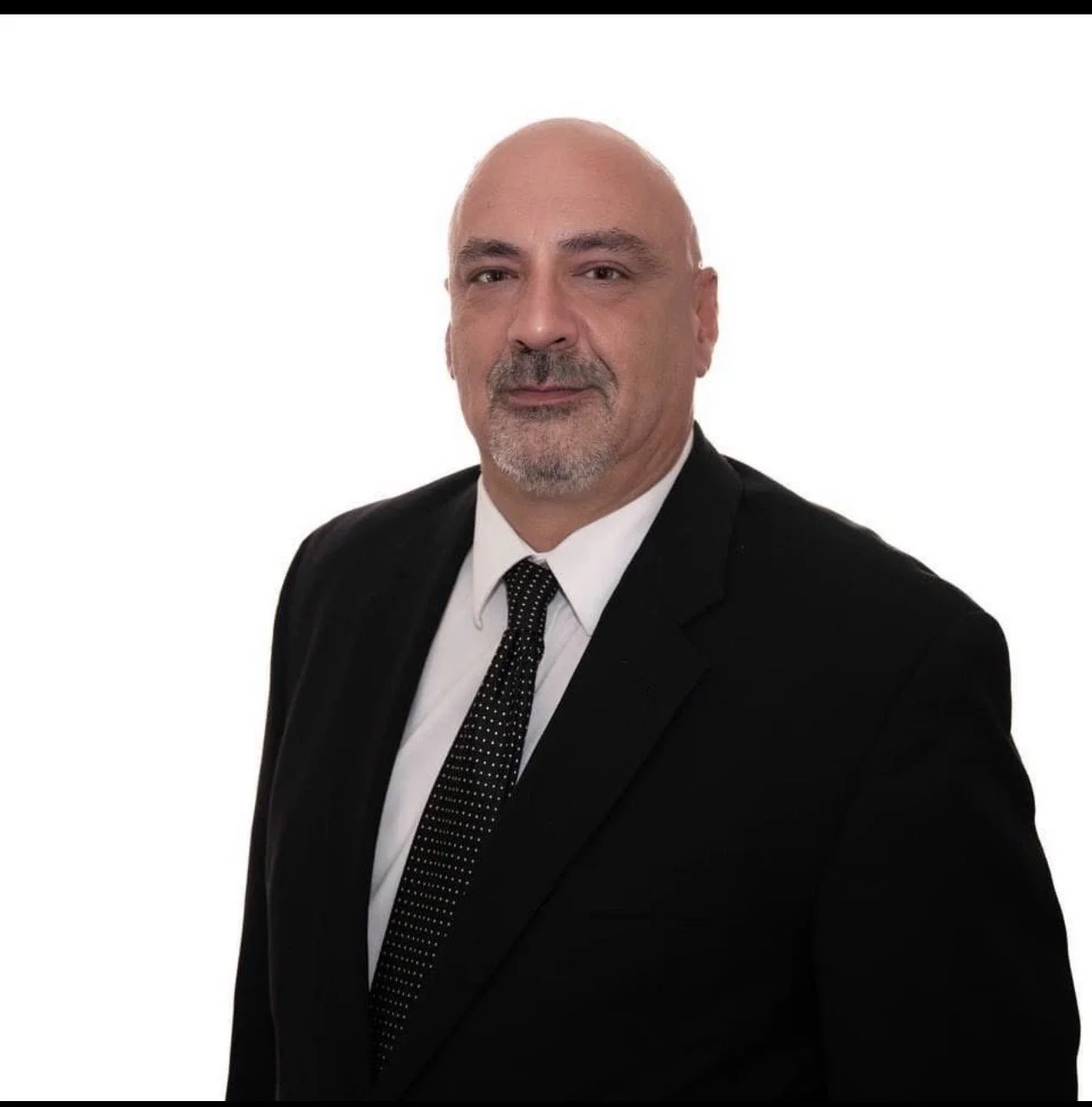
By Terry Waldrop
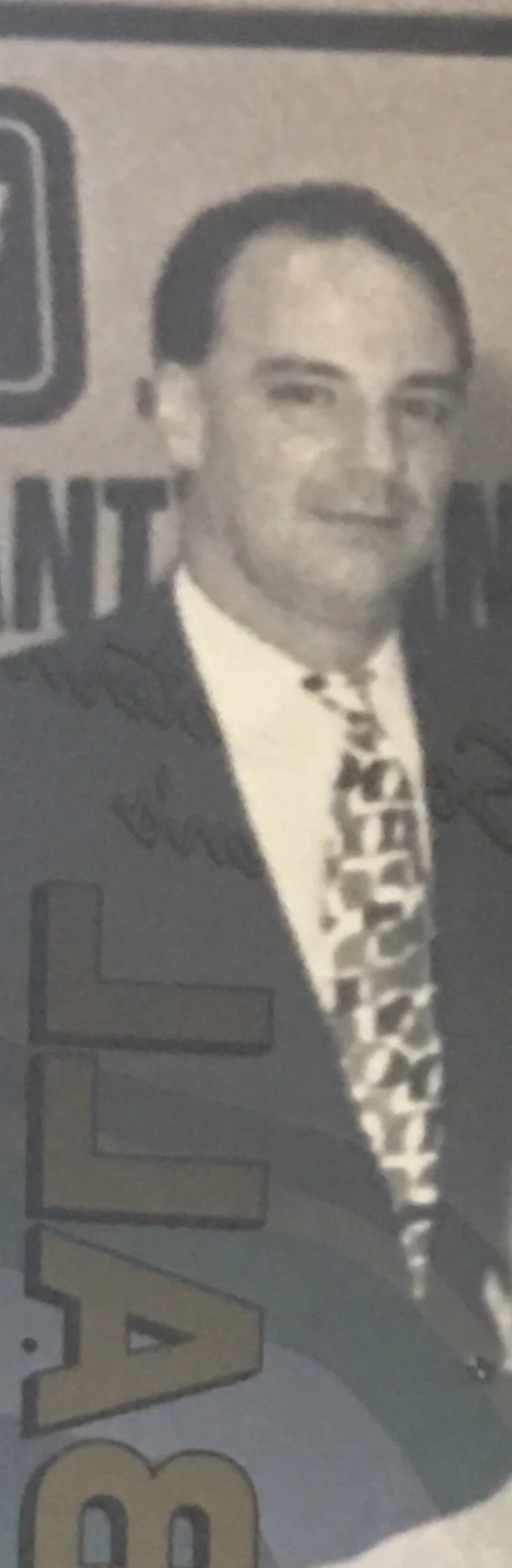
Terry Waldrop during his time as a Division I assistant coach at Southeastern Louisiana University in the mid-1990s
August 10, 2026
There are moments in your career when you realize the people sitting across the table from you can change your life.
I had one of those moments in 1996.
I was a young Division I assistant basketball coach at Southeastern Louisiana University. We were coming off one of the program’s best seasons in years—technically a co-championship of the TAAC Western Division, if you want to be precise. We had beaten good teams, recruited well above our level and started to get some national attention. For the first time in a long time, people in college basketball were looking at Southeastern Louisiana differently.
My own career was moving quickly.
Just four years earlier, I had been coaching at a small high school in rural northeast Louisiana. Now I was recruiting nationally, sitting in gyms with major programs and believing I was on a straight upward path.
Southeastern Louisiana and Coach John Lyles gave me my first opportunity to coach at the Division I level. I was proud to be there then, and I remain proud of that association today. I still have great friends in Hammond and tremendous respect and love for the university.
This story is not an indictment of Southeastern. It is about the NCAA enforcement process and what it taught a young coach about preparation, pressure and power.
A month or so after the season ended the NCAA opened an investigation.
Just like that, momentum turned into uncertainty.
Two Tape Recorders
My first serious interview with the NCAA took place in the bowels of Strawberry Stadium in Hammond, Louisiana.
There were three of us in the room:
Me.
The NCAA investigator.
And Southeastern’s faculty athletic representative.
The faculty representative was a very nice man—if memory serves, a biology professor or someone in a science field. He was there in his official university role to observe the interview and help ensure that the institution fulfilled its responsibilities during the investigation. HIs job was to report back to the Athletic Director and the University and access how damaging the investigation may look at any particular point. I think he wanted to be in that room only slightly less than I did.
I knew the score going in.
So when the questioning started, I was on my own.
The room didn’t help.
Concrete.
No windows.
Dim.
The kind of place that feels like it was designed to make you uncomfortable.
Think cold war interrogation cell.
And it was summer in South Louisiana with no air conditioning.
The investigator sat across from me and placed two tape recorders on the table. He also made a point of telling me multiple times he was an attorney—clearly proud of it.
I made a mental note.
The NCAA had a lawyer.
The university had a biology professor.
And I had me.
Hardly seemed fair right ?
Then he turned on the recorders.
The first interview lasted six or seven hours, though it felt longer.
Question. Answer.
Another question—this one more pointed.
Back to something from two hours earlier, rephrased.
A name. A date. A phone call.
Then again.
It was exhausting.
I’ve had colonoscopies that were more pleasant—and at least those come with anesthesia.
The investigator knew things, or at least wanted me to believe he did. The real challenge was that I didn’t know what he knew.
Looking back, much of it was fishing. That’s what makes these interviews difficult: You’re not just answering questions. You’re trying to decode them.
Is he testing my memory?
Does he already know the answer?
Is this important, or is it a setup for something else?
After hours of that, your brain gets tired.
Tired people guess.
Tired people talk too much.
Tired people make mistakes.
I was intimidated. I’ll admit it.
I was scared.
He sensed that- well at least initially.
This was the NCAA in an era when it had enormous power over college athletics. A show-cause penalty could effectively end a young coach’s career. Another school might technically be able to hire you, but the restrictions and institutional risk made that extremely unlikely.
I had spent my life trying to get into college basketball. Now I was sitting across from an organization that could potentially take me out of it.
The pressure didn’t go away for months.
The Best Advice My Athletic Director Ever Gave Me
My athletic director was a veteran administrator. Good guy but we didn’t always see the world the same way.
But before those interviews, he gave me one piece of advice that was absolutely right and born of NCAA investigative experience:
“If you don’t remember something, say you don’t remember.”
Simple. And critical.
Don’t guess.
Don’t fill silence.
Don’t invent certainty.
If you don’t remember whether something happened on June 12 or June 19, don’t pick one just to sound confident.
Say, “I don’t remember.”
Because everything was being recorded.
If your answer changed later, that inconsistency could become a problem. If they believed you were being untruthful, the original issue could become secondary to the credibility issue.
That lesson stayed with me:
Never pretend to know something you don’t know just because someone in authority expects an answer.
“I don’t know” is often smart.
“I don’t remember” is often honest.
Guessing can be dangerous.
This wasn’t Matlock. There was no dramatic exit.
If I wanted to stay in coaching, I had to answer questions carefully. My future depended on it.
So I learned to answer only what I actually knew.
Nothing more.
Eight Months Is a Long Time
The investigation didn’t last a week or a month.
It lasted about eight months.
April.
May.
June.
July.
August.
September.
October.
November.
There were interviews with me, players, coaches and others. At one point, it felt like anyone who had ever walked through the athletic department might be questioned.
There were documents, meetings, reviews, attorneys and constant follow-ups and preparation for the next inquisition.
And underneath it all was uncertainty.
That was the hardest part.
People can handle bad news. What they struggle with is not knowing what the news will be.
At some point, I started asking myself a question I had never seriously considered:
What if I don’t survive this professionally?
Not physically.
Professionally.
What if I couldn’t coach again?
Then what?
I needed an answer.
Always Have Somewhere Else to Go
Somewhere in the midst of feeling sorry for myself, despair and self preservation I knew i needed an alternative.
I had always thought about pursuing a doctorate but coaching collegiately was going to make that impossible. I considered the possibility that I may have some time on my hands in the near future.
I was single, living in Hammond and not tied down geographically. So without telling anyone, I applied to a doctoral program out West.
I was accepted quickly.
No one knew.
Not my head coach.
Not the athletic director.
Not my family.
Not the NCAA.
But I knew.
If things collapsed, I could pivot on a moment’s notice.
I never had to.
But that acceptance changed my mindset. It gave me an exit ramp.
And that’s one of the most important lessons I’ve ever learned about power:
People have far less control over you when you know you can leave.
Options create confidence.
And sometimes, leverage.
That acceptance letter changed how I carried myself. It gave me something I didn’t realize I needed: a backup plan.
Everybody at the Table Has Something to Lose
At first, I thought the NCAA investigator held all the power.
That was a mistake.
He had authority, yes. But he also had pressures—supervisors, deadlines, budgets and expectations. Investigations consume time, money and attention. Eventually, someone always asks:
“What did we accomplish?”
Once I saw that, my perspective changed.
He wasn’t an all-powerful figure. He was a professional working inside a system.
He had a job to do, people to answer to and results he was expected to produce.
Once you understand someone’s interests, you begin to understand his behavior.
That’s when I stopped just answering questions.
I started paying attention to the person asking them.
Learn to Read the Tell
The closest comparison is poker.
Everyone has cards. Nobody has the full picture. And everyone is watching everyone else.
The advantage goes to the person who reads the table first.
By the later interviews, I had changed.
I understood the process better. I understood the rules better. I had documentation. I had context. And I had that acceptance letter quietly sitting in my back pocket.
I don’t know if the investigator noticed the shift.
But I did.
I wasn’t nearly as intimidated.
Preparation had replaced fear.
And that became a defining lesson:
Intimidation lives in the gap between what you know and what you fear you don’t know. Preparation closes that gap.
Know the Next Question Before It Is Asked
From that point forward, I never walked into an important compliance or eligibility meeting without anticipating where it was going.
I studied rules and bylaws relentlessly. Coach John Lyles had drilled them into me early, and I never forgot it.
But over time, it became more than memorization.
It became strategy.
What does the rule actually say?
How is it interpreted?
What are the exceptions?
What are the gray areas?
What has precedent already established?
And most importantly:
If I say this, what question comes next?
If they answer that, what is my response?
If they reject it, what’s my next move?
Preparation isn’t just having answers.
Preparation is knowing the next several questions before they’re asked.
Loyalty Is Not a Business Plan
My head coach and I became very close during that time. He saw the pressure I was under and supported me in ways I’ll never forget.
We’re still close today.
But I also learned something broader:
Loyalty matters—but it cannot be your only protection.
People have families, careers and responsibilities. Organizations have reputations and obligations. Under pressure, priorities can shift.
So I learned to align interests.
Instead of relying on loyalty alone, I started asking:
Why is helping me also good for them?
That isn’t manipulation.
It’s understanding incentives.
The best professional relationships I’ve seen are built where both sides have something to gain by making the relationship work.
The NCAA Sent Me to School
Eventually, the investigation ended with relatively minor consequences for me.
I received a two-game suspension—both exhibition games—for providing an impermissible extra benefit.
I will go into detail in another article but it was less than $50 in value.
Real gangster stuff right ?
Almost no one knew about it, and my coaching career survived.
Then came the irony.
As part of the aftermath, I was required to attend NCAA compliance seminars for several months.
Think about that.
I had just spent eight months learning how the NCAA operated under pressure. Now I was sitting in classrooms learning how it operated from the inside.
I loved it.
I showed up early. I took notes. I paid attention.
And yes—the same investigator who had questioned me was one of the presenters.
I sat on the front row.
Center seat.
I smiled at him.
A lot.
The NCAA thought it was a penalty.
It turned out to be an education.
I am still appreciative.
Then They Tried to Hire Me
Not long after, I was approached twice about working in NCAA enforcement.
I declined both times.
I sometimes wonder what would have happened if I had said yes. I probably would have been good at it. I understood coaches, recruiting and the system.
But it wasn’t for me.
At the time, I saw it as becoming a snitch. That wasn’t the path I wanted.
I wanted to coach.
Later, I worked in administration and NCAA compliance, but from a different perspective—helping institutions and coaches navigate the rules, not pursuing violations.
So I stayed on my side of the table.
The Lesson Wasn’t About the NCAA
Looking back, the NCAA wasn’t the real lesson.
The lesson was about pressure, preparation and perception.
Thirty years have passed. I’ve sat across from attorneys, politicians, regulators, executives, hospital surveyors and business leaders with far more power, money, and impressive titles than I had.
And I don’t find those rooms nor people particularly intimidating anymore.
Because I learned something simple:
A title doesn’t mean someone is more prepared.
Authority doesn’t eliminate vulnerability.
And confidence without preparation is just noise.
Real confidence comes from the preparation.
Know the rules.
Know the facts.
Know the people.
Understand the incentives.
Anticipate the questions.
Always have a pivot.
And never walk into an important room hoping you won’t be surprised.
Prepare until surprise becomes unlikely.
Have a plan if you are surprised.
I entered that NCAA investigation as a young assistant coach intimidated by the table.
Eight months later, I understood it.
And I’ve never looked at a table the same way since.